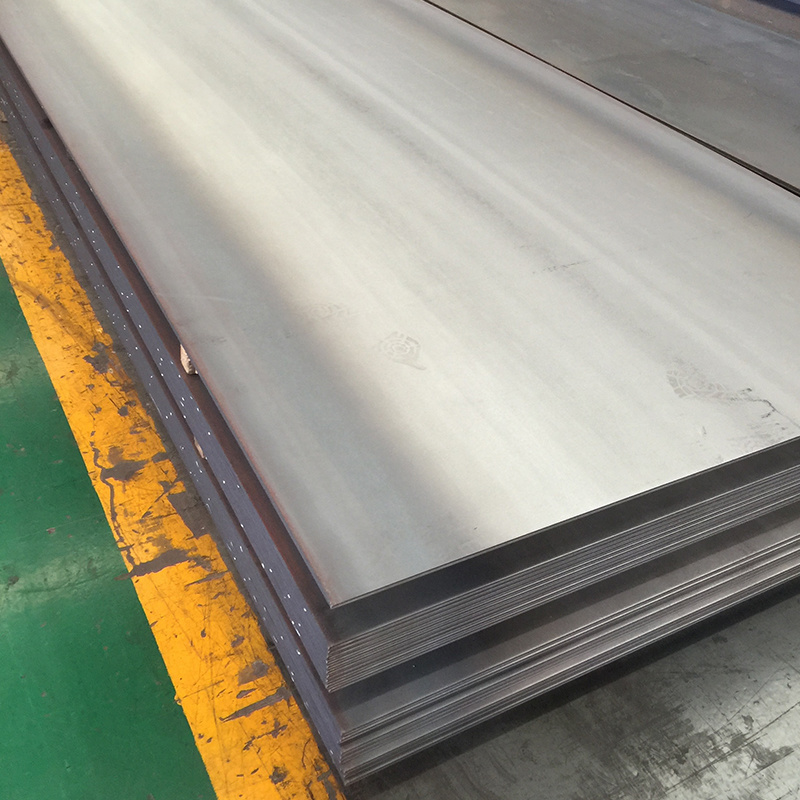
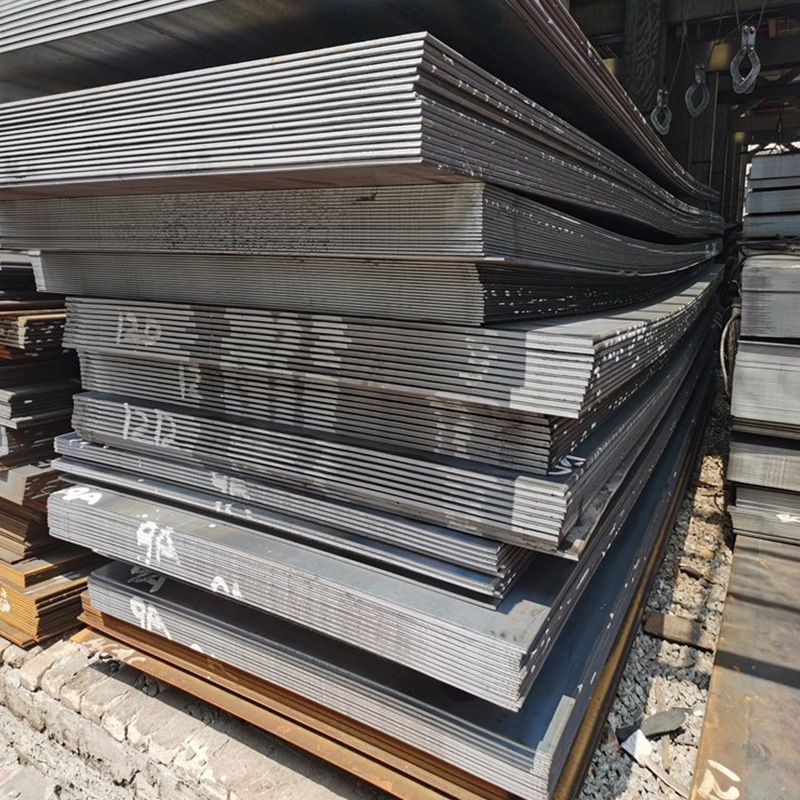
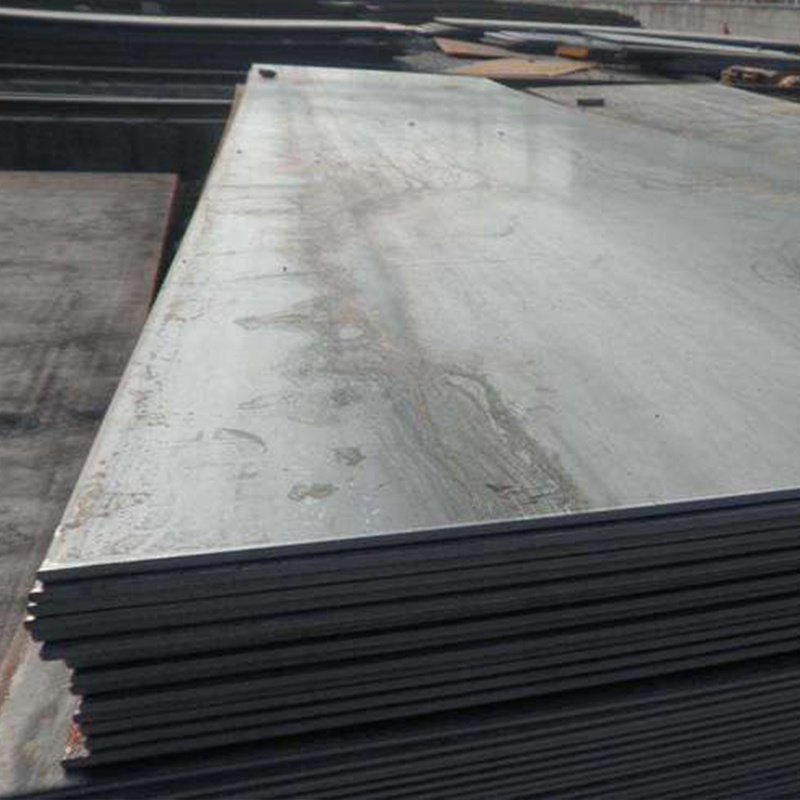
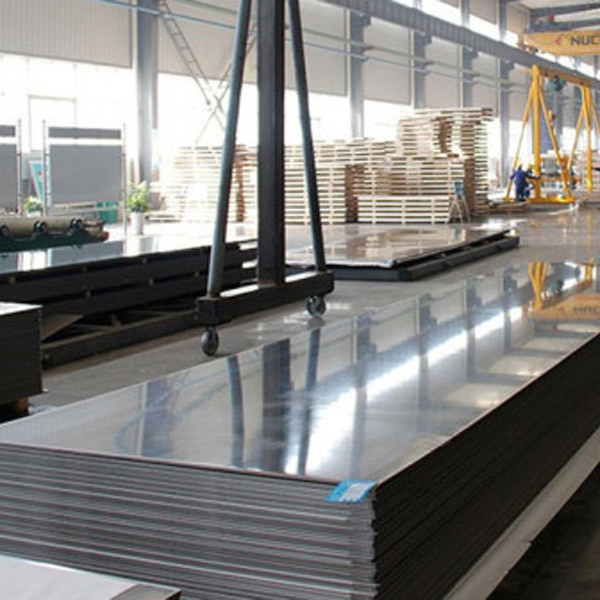
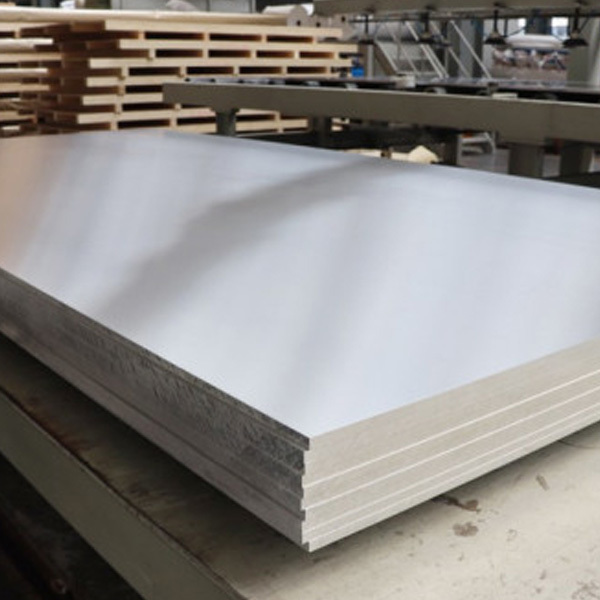
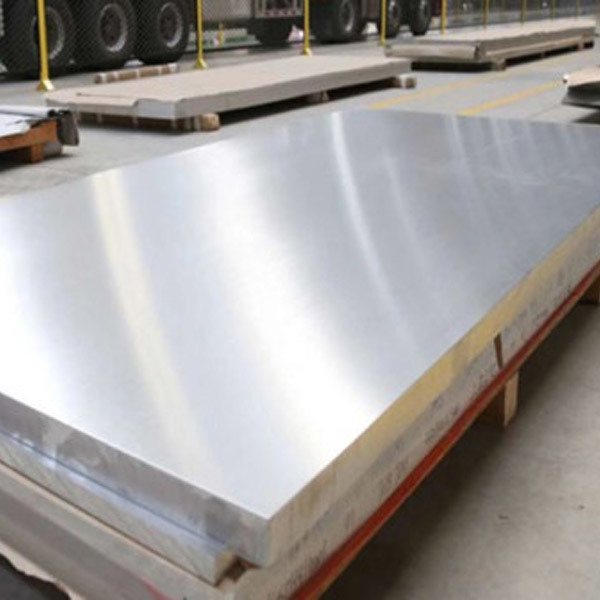
A515 Carbon Steel Plate

ASTM A515 carbon-silicon steel plates primarily for intermediate- and higher-temperature service in welded boilers and other pressure vessels. Plates are available in three grades having different strength levels: Grades 60, 65, 70, 415, 450, and 485.

A537 Carbon Steel Plate

ASTM A537 standard refers to pressure vessel plates, material in heat-treated, carbon-manganese silicon steel. Based on different strength and heat treatment, it ranges to Class 1, 2 and 3. ASTM A537 Class 1 plates are supplied in the normalised condition whilst Class 2 plates are quenched and tempered.

A588 Low Alloy Structural Steel Plate
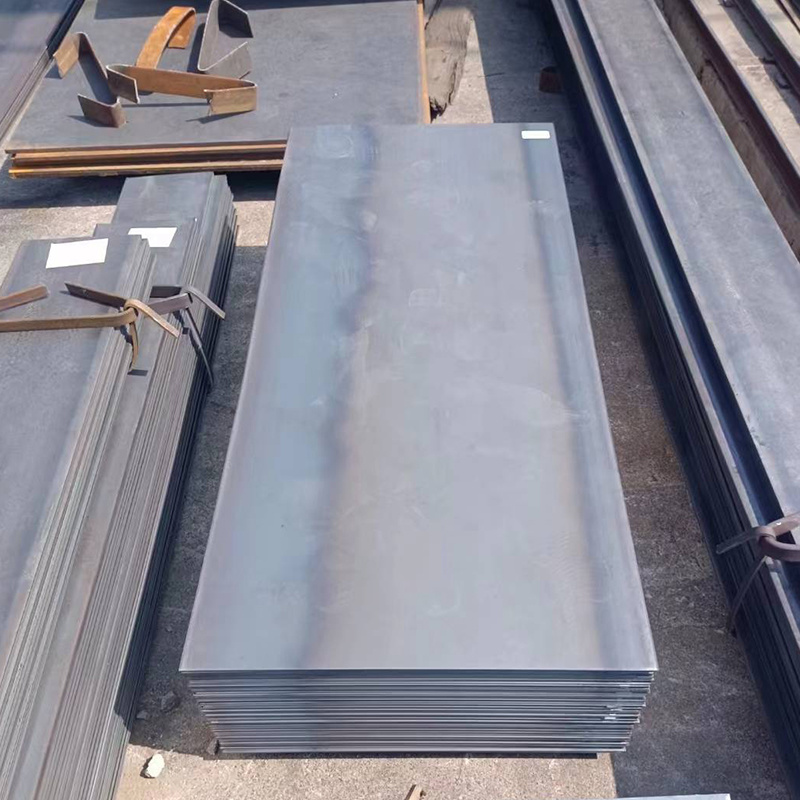
ASTM A588 is a high strength low-alloy structural steel specification with higher strength and improved atmospheric corrosion resistance. It covers Grade A, Grade B, and Grade K. Grade A, B is the specification for atmospheric corrosion structural steel of High-Strength Low-Alloy, yield strength minimum 50 ksi 345 Mpa.

A709 Carbon Structural Steel Plate
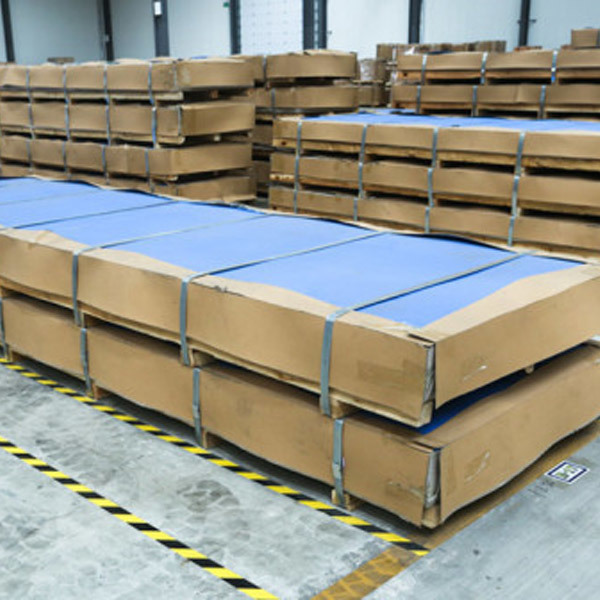
The ASTM A709 is the Standard Specification for Structural Steel for Bridges and encompasses carbon, high-strength low-alloy, and quenched and tempered alloy steels used as structural plates in the construction of bridges. It following five grades of A709; 36, 50, 50W, HPS 50W and HPS 70W.

T1/2/3/4/5 Tinplate

Tinplate Sheet is a versatile packaging material that is widely used in various industries. Firstly, it plays a crucial role in the food packaging industry, being used for the production of various canned goods such as fish, fruits, tomato sauce, and powdered milk.

Titanium Alloy Plate

Incoloy alloys have more iron contents than inconel alloys. These alloys show outstanding corrosion resistance, strength, durability, and high-temperature stability.

Nickel Alloy Plate

The term nickel alloy refers to a metal that has nickel as one of its primary elements. Some types of nickel alloys are referred to as superalloys because of their superior oxidation and creep resistance, allowing them to be used at temperatures of more than half their melting points. Nickel alloys can be machined and welded but tend to pose some processing difficulties, as some alloys will work harden during machining, and their high melting points can make them difficult to weld.

Hastelloy Alloy Plate

Hastelloy is a kind of nickel based alloy. Hastelloy Alloy can be divided into two groups; one contains more molybdenum and the other contains more chromium. They all have excellent resistance to strong oxidizing solutions and high durability in reducing agents. Because of the low carbon content and less carbide precipitation during welding, they also have the ability to resist intergranular corrosion.

Monel Alloy Plate

Monel refers to a group of nickel alloys that have copper as the main alloying element. In addition to these two primary metals, Monel alloys may also contain small amounts of iron, manganese, carbon, silicon, sulfur, aluminum, and titanium. The specific composition of a Monel alloy depends on its desired properties and applications. In general, Monel alloys are known for their high strength and resistance to corrosion in both fresh and saltwater while also having excellent high and low-temperature resistance.

CONTACT US

Provide free quotes and product solutions