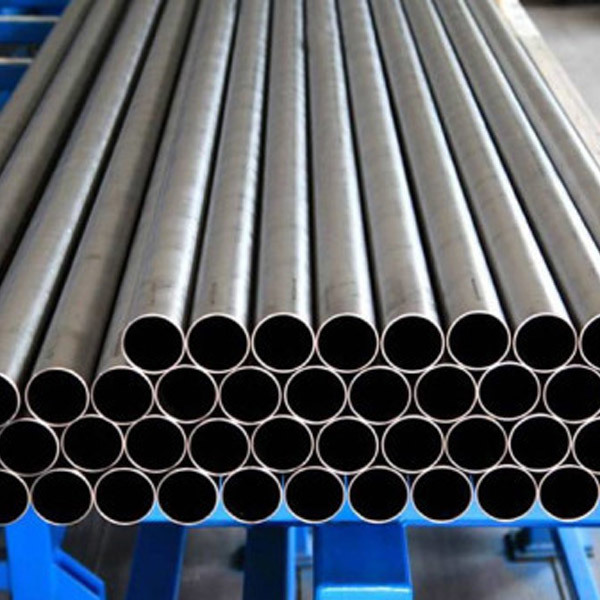
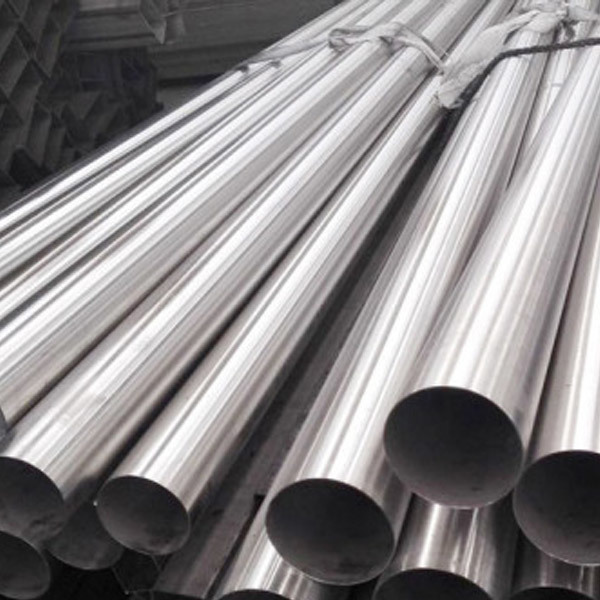
PRODUCTS
CONTACT US
No matter what industry you are in, such as construction, manufacturing, energy or logistics, we can tailor professional steel solutions for you.
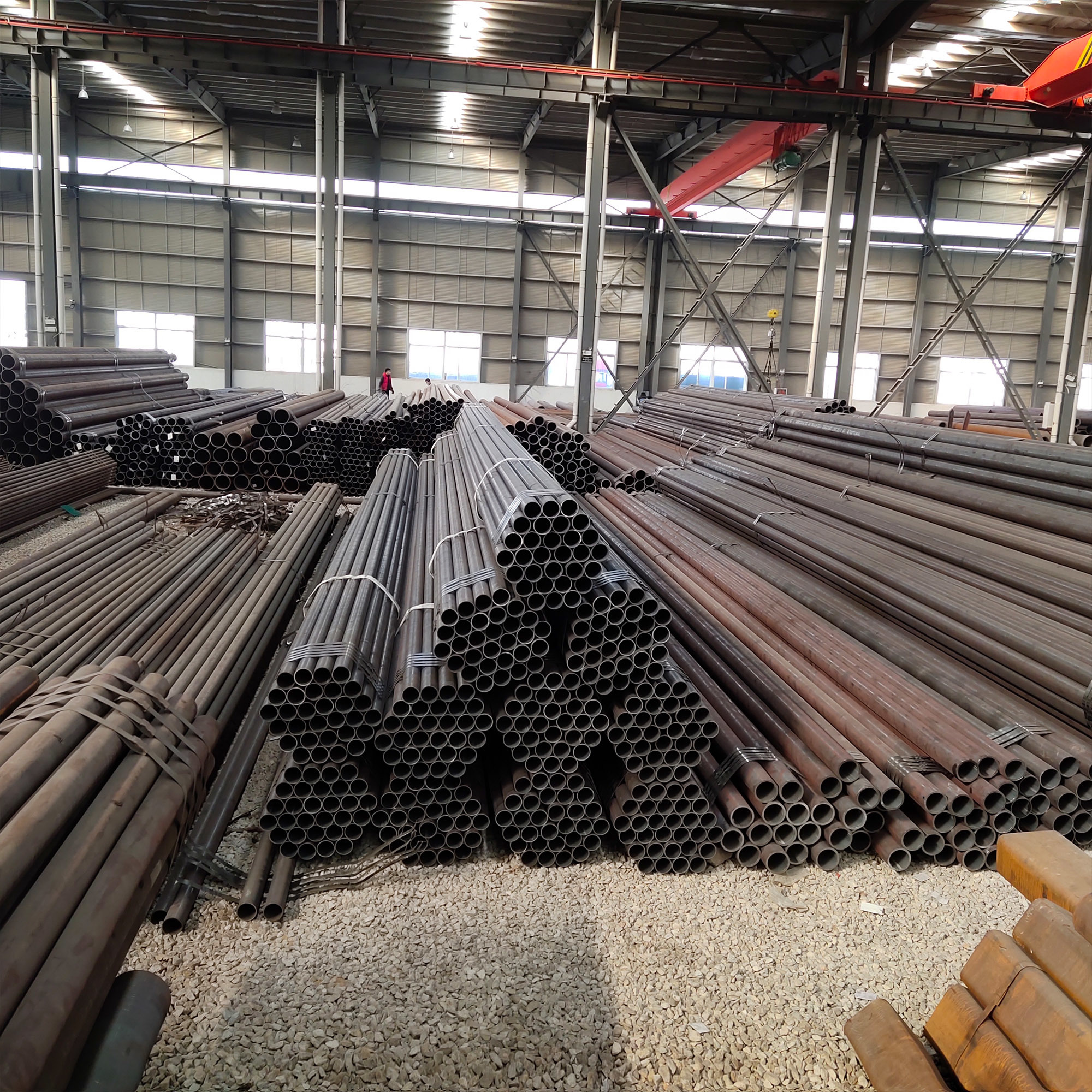
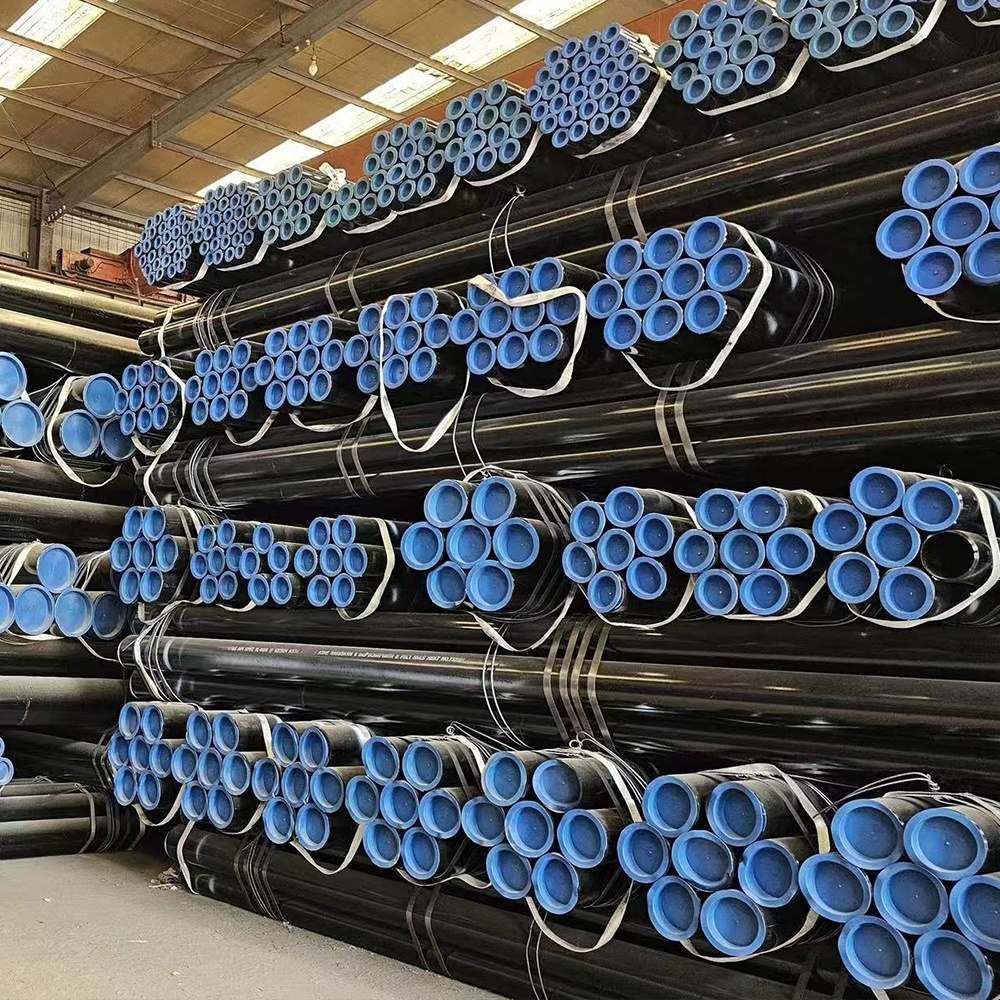
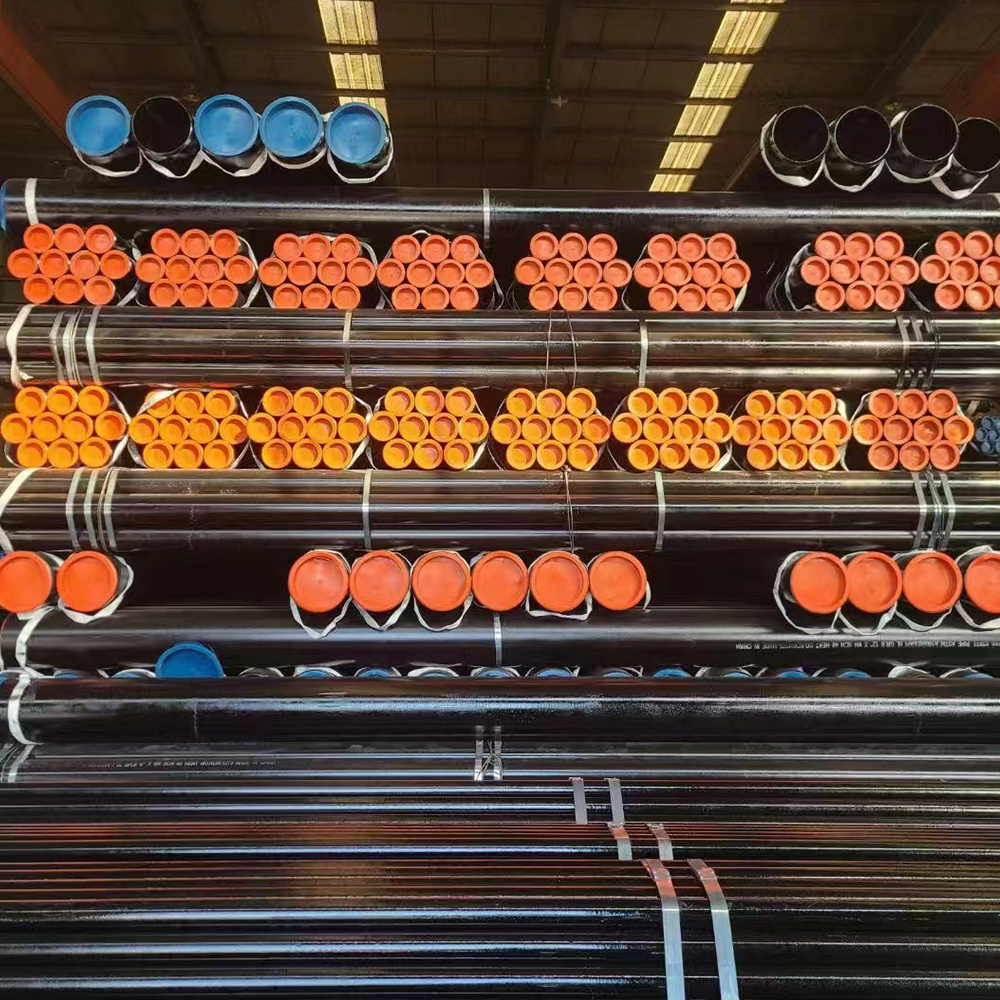
Carbon steel pipe is a pipe made of carbon steel as raw material, produced by hot rolling, cold rolling or cold drawing, and is widely used in fluid transportation, mechanical structure and other fields.
API 5L seamless steel pipe is pipeline steel seamless steel pipe - API 5L pipeline steel seamless steel pipe, seamless steel pipe pipeline steel material: GR.B, X42, X46, 52, X56, X60, X65, X70.
ASTM A106 Gr.B SCH40 Carbon Steel Seamless Pipe
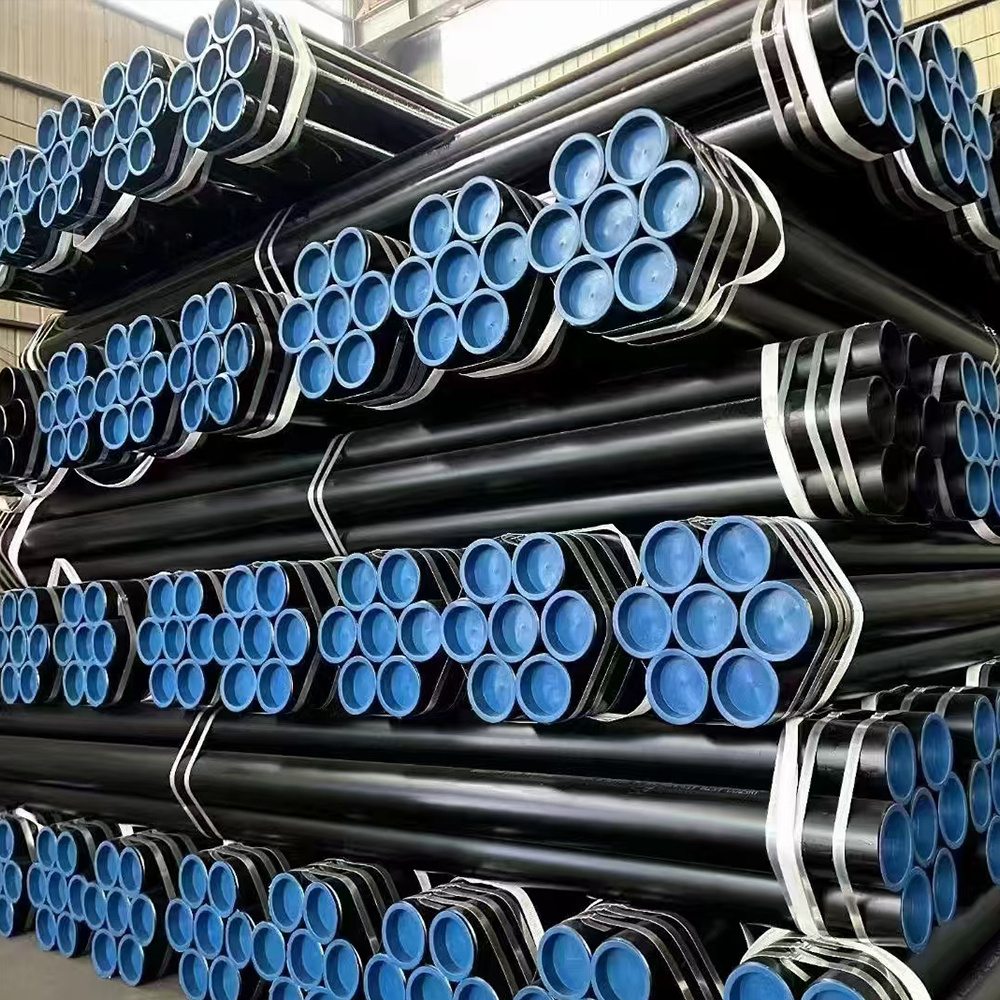
API 5L seamless steel pipe is pipeline steel seamless steel pipe - API 5L pipeline steel seamless steel pipe, seamless steel pipe pipeline steel material: GR.B, X42, X46, 52, X56, X60, X65, X70.
ASTM A106 Gr.B Carbon Steel Pipe

API 5L seamless steel pipe is pipeline steel seamless steel pipe - API 5L pipeline steel seamless steel pipe, seamless steel pipe pipeline steel material: GR.B, X42, X46, 52, X56, X60, X65, X70.
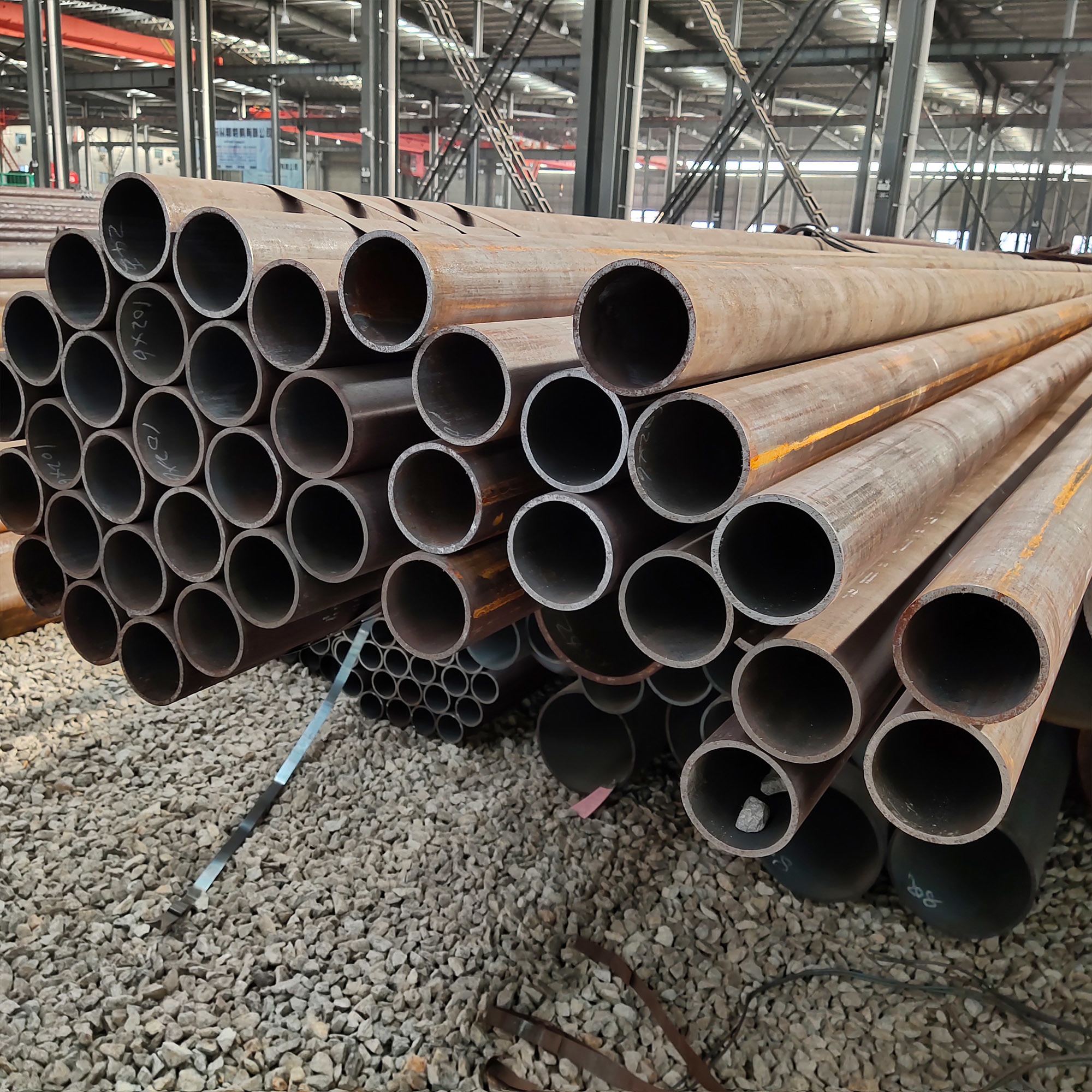
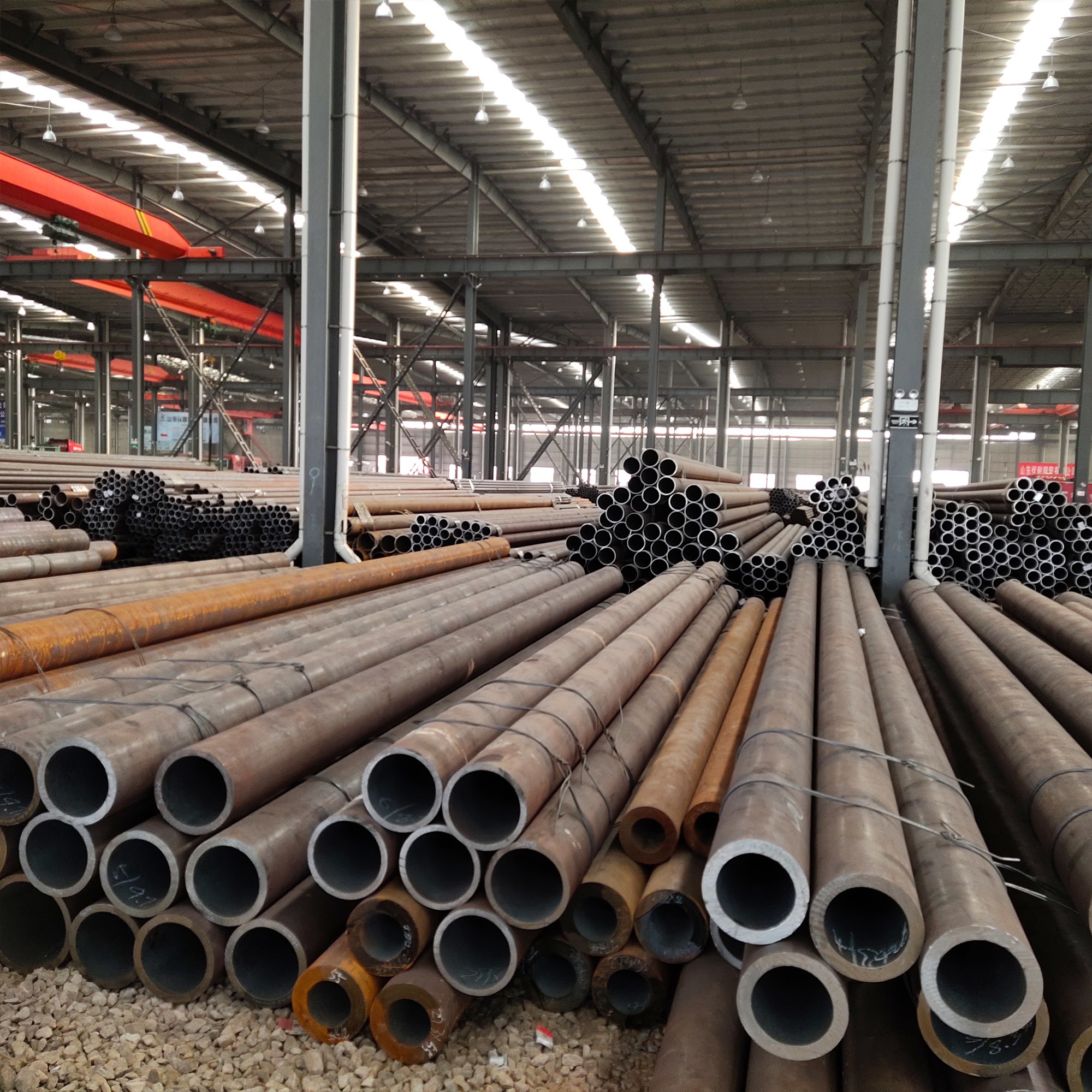
Seamless steel pipe is made by perforating a whole round steel. It has no welds on the surface and a hollow cross-section structure. It is widely used in fluid transportation, machinery manufacturing and other fields.
Incoloy alloys have more iron contents than inconel alloys. These alloys show outstanding corrosion resistance, strength, durability, and high-temperature stability.
The term nickel alloy refers to a metal that has nickel as one of its primary elements. Some types of nickel alloys are referred to as superalloys because of their superior oxidation and creep resistance, allowing them to be used at temperatures of more than half their melting points. Nickel alloys can be machined and welded but tend to pose some processing difficulties, as some alloys will work harden during machining, and their high melting points can make them difficult to weld.